
Best budget wired headphones for studio usually come down to one thing: can you trust what you hear when you’re tracking, editing, or doing a rough mix at home without spending “pro” money.
If you’ve ever bounced a track that sounded great on headphones, then fell apart in your car or on a Bluetooth speaker, you already know why this matters. Budget cans can be totally workable, but only if you choose the right design, tune your expectations, and use a simple checking routine.
This guide focuses on what actually changes your results: closed vs open-back choices, comfort for long sessions, how to read specs without overthinking them, and a short list of reliable, widely available models. I’ll also add a quick workflow for getting more consistent mixes even when your headphones aren’t “perfect.”
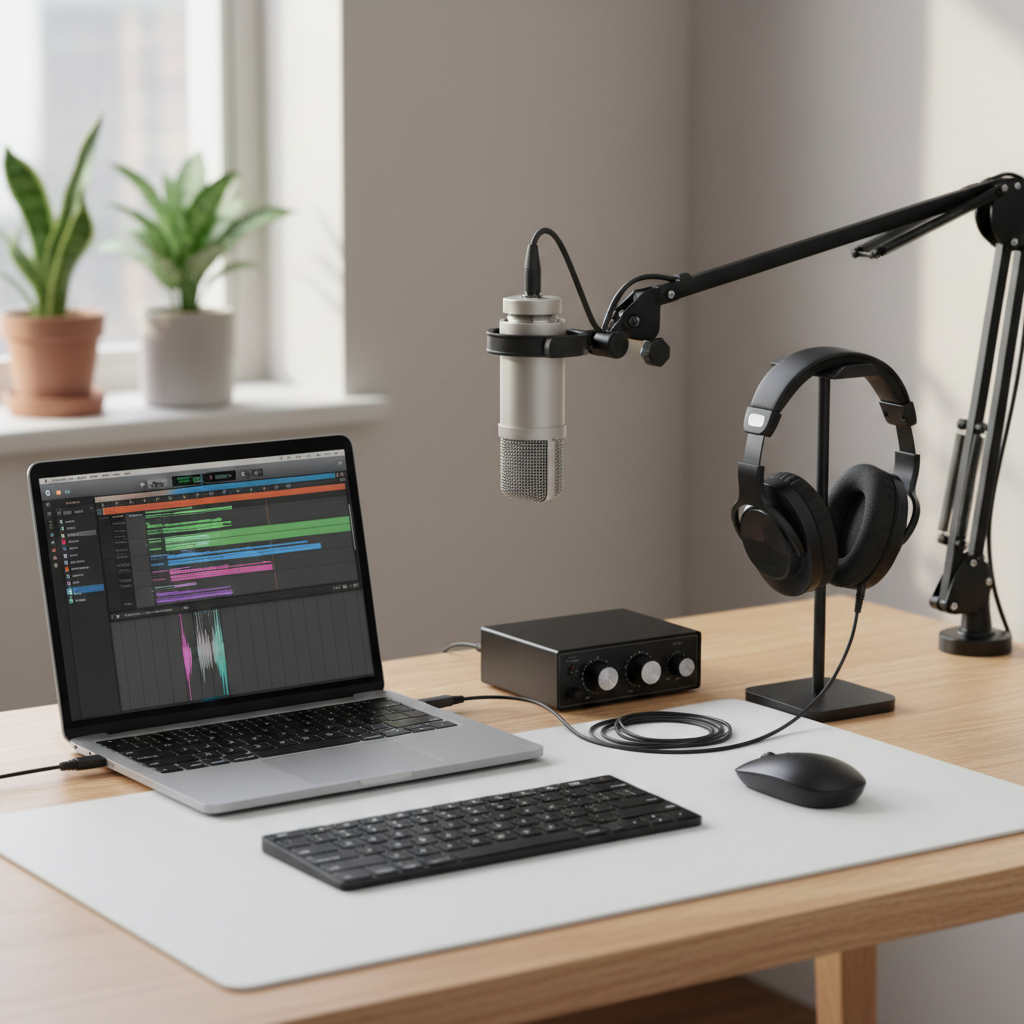
What “budget studio headphones” should realistically do
At lower prices, you’re not buying magic, you’re buying fewer surprises. A good budget studio pair should give you repeatable monitoring so your decisions translate outside your room.
- Tracking confidence: enough isolation to keep click tracks and backing tracks out of your mic.
- Mix clarity: a reasonably even midrange so vocals, guitars, and snare placement make sense.
- Comfort: stable clamp, pads that don’t cook your ears, and a headband that doesn’t create a hotspot.
- Durability: replaceable pads and a cable that won’t die the first time a chair rolls over it.
One more honest note: most budget models have some kind of bass or treble “personality.” That’s not a dealbreaker, it just means you should learn it and double-check key moves.
Closed-back vs open-back (choose based on your session, not a forum debate)
This is where most people accidentally buy the wrong thing. The “best budget wired headphones for studio” might be closed-back for one person and open-back for another, because the job changes.
Closed-back: better for recording and noisy rooms
- Less sound leaks into microphones, so vocal takes stay clean.
- More isolation helps if you’re near a PC fan, roommates, or street noise.
- Downside: bass can feel boosted and the soundstage can feel narrower.
Open-back: better for long mixing sessions (when you can be quiet)
- More natural stereo image, often easier to judge reverb and panning.
- Less “pressure” sensation on ears for many people.
- Downside: sound leaks out and in, so it’s a poor tracking choice.
If you only buy one pair and you record vocals or acoustic instruments, closed-back is typically the safer compromise.
Quick buying checklist (so you don’t get tricked by specs)
Specs matter, but not the way listings want you to think. Use them to avoid obvious mismatches with your gear and workflow.
- Impedance: If you plug straight into a laptop or phone dongle, lower impedance often gets louder. If you use an interface or headphone amp, you have more flexibility.
- Sensitivity: Higher sensitivity generally means easier volume, but it’s not a quality score.
- Comfort parts: replaceable ear pads and a detachable cable can extend the life more than any “premium” spec line.
- Fit and seal: with closed-backs, the seal affects bass a lot. Glasses can change the sound more than you’d expect.
According to OSHA, high sound levels can contribute to hearing damage over time, so keep monitoring volume reasonable and take breaks, if you feel ringing or fatigue, consider talking with a hearing professional.
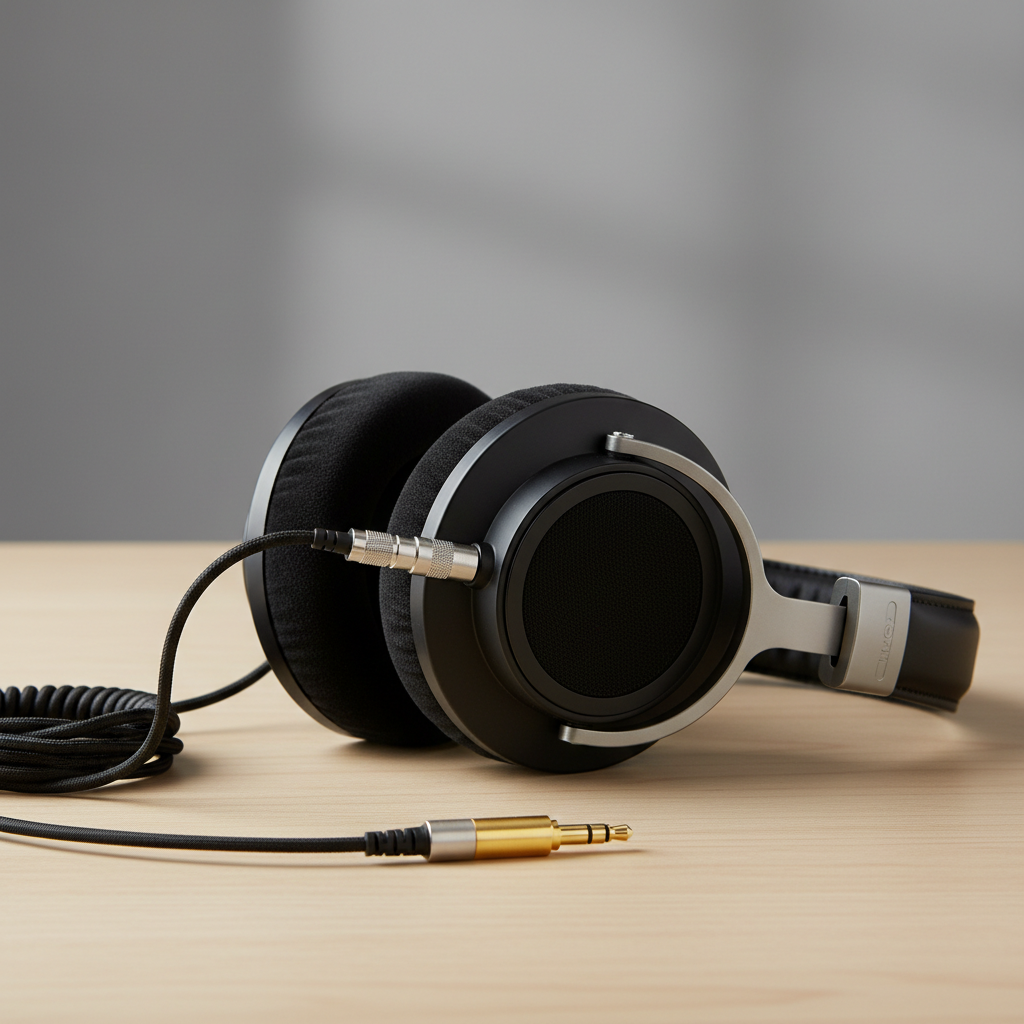
Recommended budget wired studio headphones (plus who they fit)
These are commonly available in the US, show up in a lot of home studios, and have predictable strengths. Prices fluctuate, so treat “budget” as a range, not a promise.
| Model | Type | Best for | Watch-outs |
|---|---|---|---|
| Audio-Technica ATH-M20x | Closed-back | First studio headphones, tracking, basic editing | Less detail than higher tiers, comfort varies by head shape |
| AKG K240 | Semi-open | Home mixing, learning stereo placement | Leakage makes it risky for vocal tracking |
| Sony MDR-7506 | Closed-back | Tracking, dialogue, “hear problems fast” monitoring | Treble can feel sharp for some listeners |
| Samson SR850 | Semi-open | Low-cost mix checks, casual editing | Build and consistency can vary, leaks sound |
| Beyerdynamic DT 770 PRO (80 ohm) | Closed-back | Comfortable long sessions, tracking + mixing hybrid | Often priced above entry “budget,” V-shaped tonality |
If you’re trying to pick one: M20x covers the basics cheaply, MDR-7506 is a classic “work tool,” DT 770 tends to be the comfort play if your budget stretches.
How to choose for your exact use case
Most buying guides skip the uncomfortable question: what are you actually doing day to day. Match the headphone to the session type, not the brand reputation.
If you mainly record vocals or acoustic instruments
- Prioritize closed-back isolation and a stable fit.
- Choose a cable length that won’t yank your interface off the desk.
- Keep a simple “talkback” plan if you’re recording others, isolation can make communication awkward.
If you mainly mix beats, EDM, or bass-heavy music
- Look for bass you can hear and control, not just more bass.
- Plan to check low end on a second system, even great headphones can mislead sub-bass decisions.
If you do long editing sessions (podcasts, dialogue, comping)
- Comfort and low clamp pressure matter more than “hyped” detail.
- Pick a model with easy-to-find replacement pads, sweat and skin oils wear pads faster than people expect.
Practical setup steps to make budget headphones sound “more studio”
Even the best budget wired headphones for studio work benefit from a small setup routine. This is the part that tends to improve results faster than upgrading hardware.
- Set a reference level: pick a comfortable volume and keep it consistent, loud monitoring makes everything seem better.
- Use reference tracks: keep 2–3 commercial songs in your DAW that match your style, level-match before comparing.
- Do mix translation checks: earbuds, car, a small Bluetooth speaker, and one “nice” system if available.
- Consider gentle EQ correction: some people use calibration software, but don’t treat it as a cure-all, it can help balance, yet it won’t fix fit or distortion.
According to AES (Audio Engineering Society), consistent monitoring and referencing practices are central to making mixes translate across playback systems, which is exactly why a repeatable routine beats chasing specs.
Common mistakes that make budget headphones feel “bad”
People often blame the headphone when the real problem is a mismatch in expectations or setup. These are the repeat offenders.
- Mixing too loud: fatigue hides harshness, then you over-EQ the top end.
- Ignoring seal: a tiny gap from glasses or hair can change bass response on closed-backs.
- Over-trusting stereo width: headphones exaggerate separation, always do a mono check in your DAW.
- Buying for “flat” marketing: truly neutral is hard at any price, aim for predictable, not perfect.
- No second opinion system: if you never check elsewhere, you never learn your headphone’s bias.
Key takeaways + a simple decision path
If you want a quick way to decide, keep it boring and practical: choose closed-back for recording, choose open or semi-open for mixing when leakage won’t hurt you, and spend the rest of your energy on a repeatable reference workflow.
- Recording at home: closed-back first, comfort second, “flatness” third.
- Mixing only: prioritize natural imaging and comfort, then add translation checks.
- One-pair compromise: a comfortable closed-back you’ll actually wear beats an “audiophile” pick that distracts you.
If you’re shopping today, pick one model from the table that matches your main job, then commit to a week of referencing before you judge it. That week usually tells you more than any review.
FAQ
What are the best budget wired headphones for studio recording vocals?
In many home setups, closed-back models are the safer choice because they reduce bleed into the mic. Look for a stable seal and comfortable pads so you don’t keep repositioning them mid-take.
Are open-back headphones okay for studio work on a budget?
Yes, especially for mixing and editing in a quiet room. They often feel more “speaker-like,” but they leak sound, so they’re a weak fit for tracking vocals in the same space.
Do I need a headphone amp for budget studio headphones?
Not always. Many entry-level studio pairs get loud enough from an audio interface. If you’re plugging into a laptop and the volume feels weak or thin, an interface or small amp can help, but it’s not automatically required.
Why do my mixes sound different on speakers than on headphones?
Headphones create hard left-right separation and remove room acoustics, so balances and reverbs can fool you. Regular translation checks and mono checks usually fix more than swapping headphones.
Is “flat response” actually important for cheap studio headphones?
It matters, but predictability matters more. A slightly bright headphone can still work if you learn how it affects vocals and cymbals, then verify on other systems.
What’s a reasonable budget for studio headphones in the US?
Prices move a lot, but many usable options sit in the entry to midrange zone rather than the ultra-cheap end. If you can stretch a bit for comfort and replaceable parts, you often keep them longer.
How can I make budget headphones more accurate for mixing?
Use reference tracks, keep your monitoring level consistent, and check on at least two other playback systems. Some people add calibration EQ, but it works best as a finishing touch, not the foundation.
If you’re trying to pick a pair quickly and you want a more streamlined shortlist based on your exact setup, like your interface, whether you track vocals, and your typical session length, a simple gear checklist can narrow it down without overbuying.