
best budget earphones wired high bass is a very specific ask: you want real low-end punch without paying flagship money, and you want it in a simple 3.5mm cable that just works.
The catch is that “more bass” can mean two totally different things, one is clean sub-bass rumble that stays controlled, the other is bloated mid-bass that swallows vocals and turns kick drums into a thud. Most budget picks live or die on that difference.
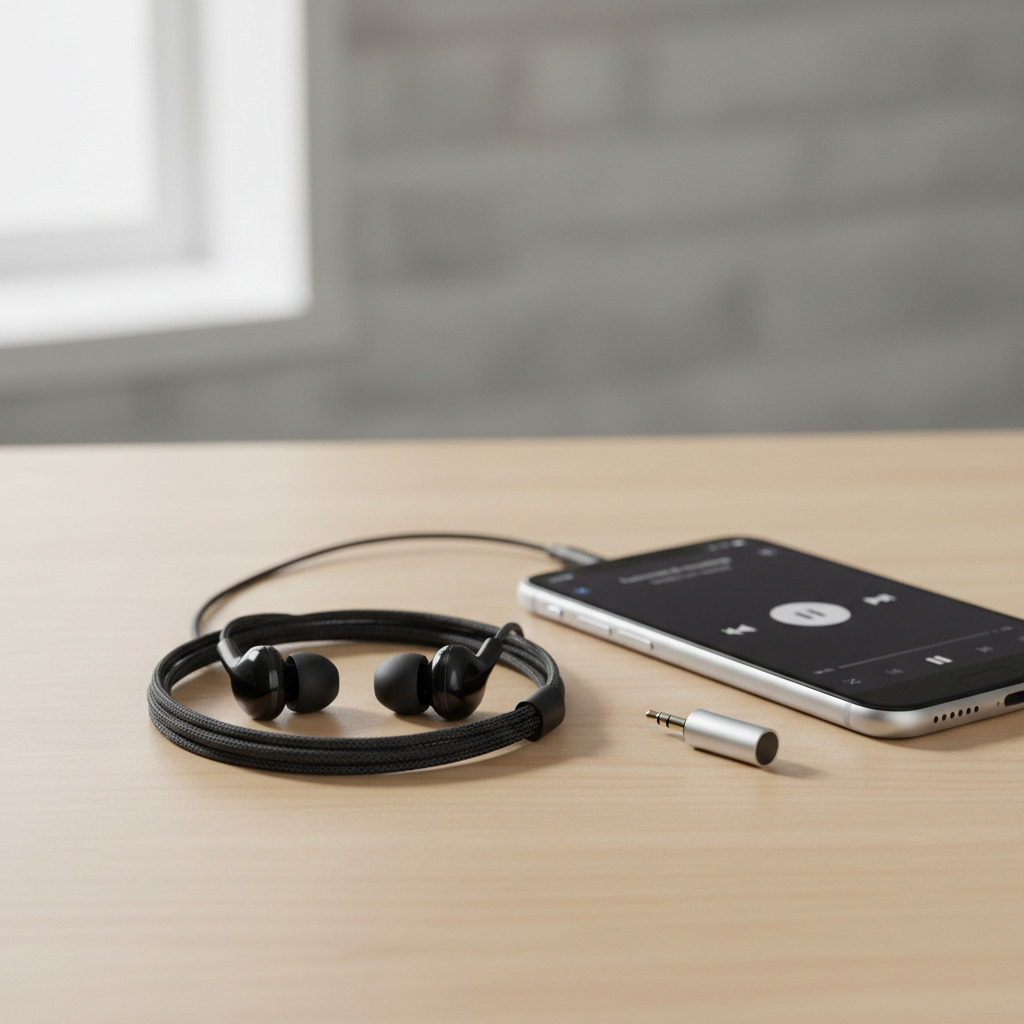
This guide helps you choose a bass-forward wired earphone that still sounds balanced for hip-hop, EDM, pop, and gaming, plus quick checks to avoid common “cheap bass” traps.
What “high bass” should sound like (and what to avoid)
High bass is not just “loud lows.” In a good budget tuning, you get sub-bass presence, impact, and texture, while vocals remain intelligible and cymbals don’t turn into sand.
- Good bass: you hear the note changes in a bassline, kick drums have an edge, and the low end stops quickly instead of lingering.
- Problem bass: one-note thump, vocals feel pushed back, and everything sounds veiled at moderate volume.
- Listening test: play a track with both sub-bass and vocals, if the singer becomes harder to follow as the beat drops, the mid-bass may be too boosted.
According to NIST, hearing risk increases with louder sound levels and longer listening time, so chasing “more bass” by simply turning up volume is a bad bargain, if you feel you need extra loudness to “feel” bass, it may be a fit or seal issue.
Why budget wired earphones often miss on bass
People blame “cheap drivers,” but in real use the misses usually come from a few practical issues.
- Poor seal: tips don’t fit your ear canal, bass leaks out, so you crank volume and still feel underwhelmed.
- Overcooked tuning: brands boost mid-bass to impress quickly, but clarity suffers over time.
- Weak source chain: some phones plus dongles output lower power, certain earphones sound thin unless they’re easy to drive.
- Cable and mic compromises: inline mics and cheaper cables can add handling noise, which makes “bass” seem messy.
If your goal is best budget earphones wired high bass, you’re really shopping for a combination of seal, tuning, and consistency, not just a “bass” label.
Quick self-check: what kind of bass listener are you?
Before you compare models, get honest about what “high bass” means in your day-to-day.
- I want club-style slam: prioritize a strong sub-bass shelf, but keep an eye on midrange presence so lyrics stay clear.
- I want bass + detail: look for “V-shaped but controlled” tuning, or sets known for good separation.
- I game and want rumble: you want punch plus positional cues, too much mid-bass can mask footsteps.
- I commute: isolation matters as much as bass, a better seal can beat a “bassier” driver on paper.
Fast test: if you often re-seat your earphones because bass changes when you move, you’re fighting fit, not specs.
What to look for when shopping (practical, not marketing)
Spec sheets rarely tell the whole story, but a few traits consistently help bass performance in affordable wired IEMs.
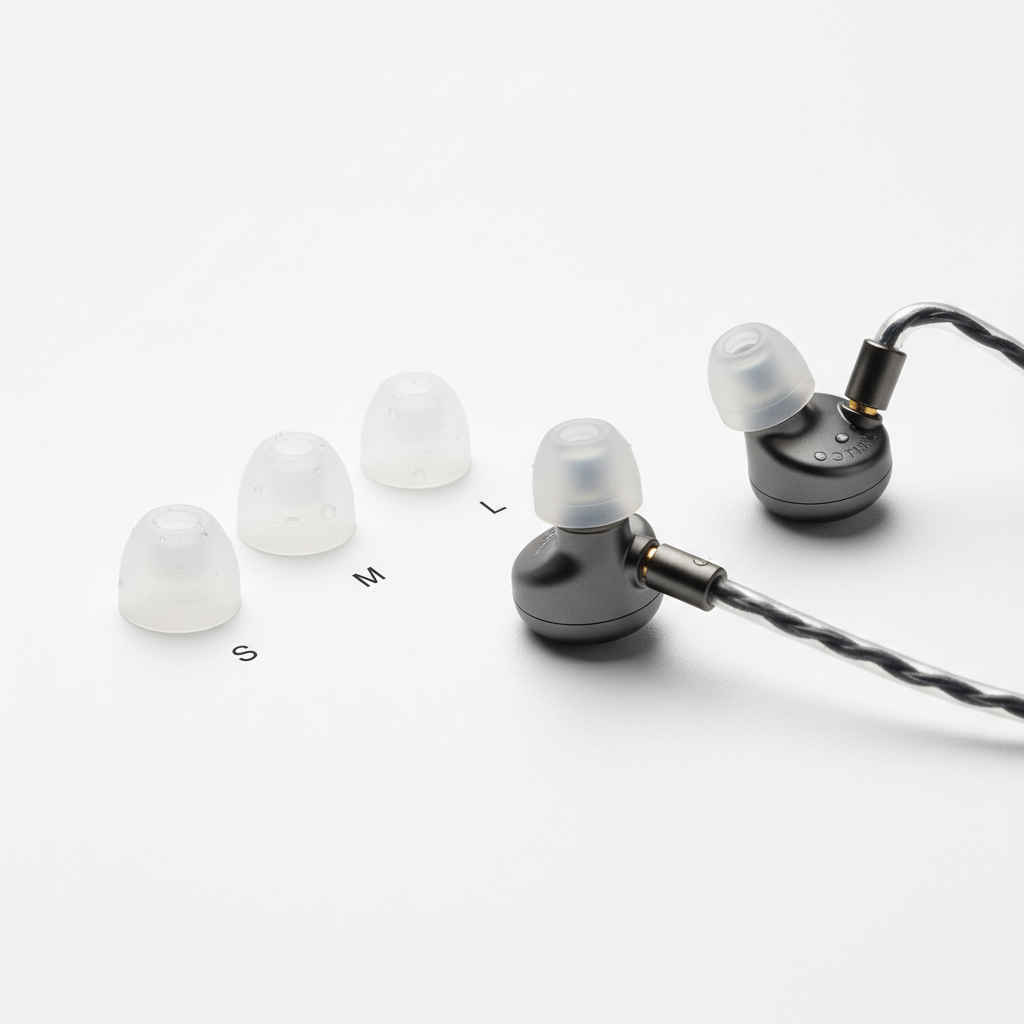
- Nozzle and tip compatibility: earphones that accept common tip sizes make it easier to get a seal and keep bass consistent.
- Vent placement: venting affects pressure and bass feel, poorly placed vents can reduce sub-bass or increase driver flex.
- Impedance and sensitivity: for phones and basic dongles, easier-to-drive sets tend to sound fuller at lower volume.
- Driver type: single dynamic drivers often deliver weighty bass, hybrids can be great too, but tuning matters more than the label.
- Cable quality: a decent strain relief and low microphonics matter if you walk or take calls.
Budget picks comparison table (what to prioritize by scenario)
I’m not listing specific model names here because availability and revisions change fast in the budget market, and “same name, different tuning” happens more than people think. Use this table to match a listing to your use case.
| Use case | Target tuning | Must-have features | Red flags |
|---|---|---|---|
| EDM / hip-hop | Strong sub-bass, moderate mid-bass | Good seal options, non-fatiguing treble | “Mega bass” with no detail notes |
| Pop / vocals | Warm with clear upper mids | Tips included, consistent fit | Vocals described as “behind the beat” |
| Gaming | Punchy but not boomy | Imaging notes in reviews, comfy shell | Too much mid-bass masking cues |
| Commuting | Bass-forward with solid isolation | Deep-insertion tips, stable cable | Loose fit, shallow nozzle |
| Calls / work | Balanced-warm | Decent mic, low cable noise | Hiss, rubbing noise, fragile plug |
How to get more bass from what you already own (in 10 minutes)
Before buying anything, you can often “find” bass you’re missing with a few small changes.
1) Fix the seal first
- Try one size larger tip than you think you need, bass usually improves when the seal stabilizes.
- Foam tips can increase perceived low end for many people, but they may reduce treble sparkle.
- If one ear always loses bass, treat each ear separately, mismatched canals are common.
2) Use light EQ, not extreme boosts
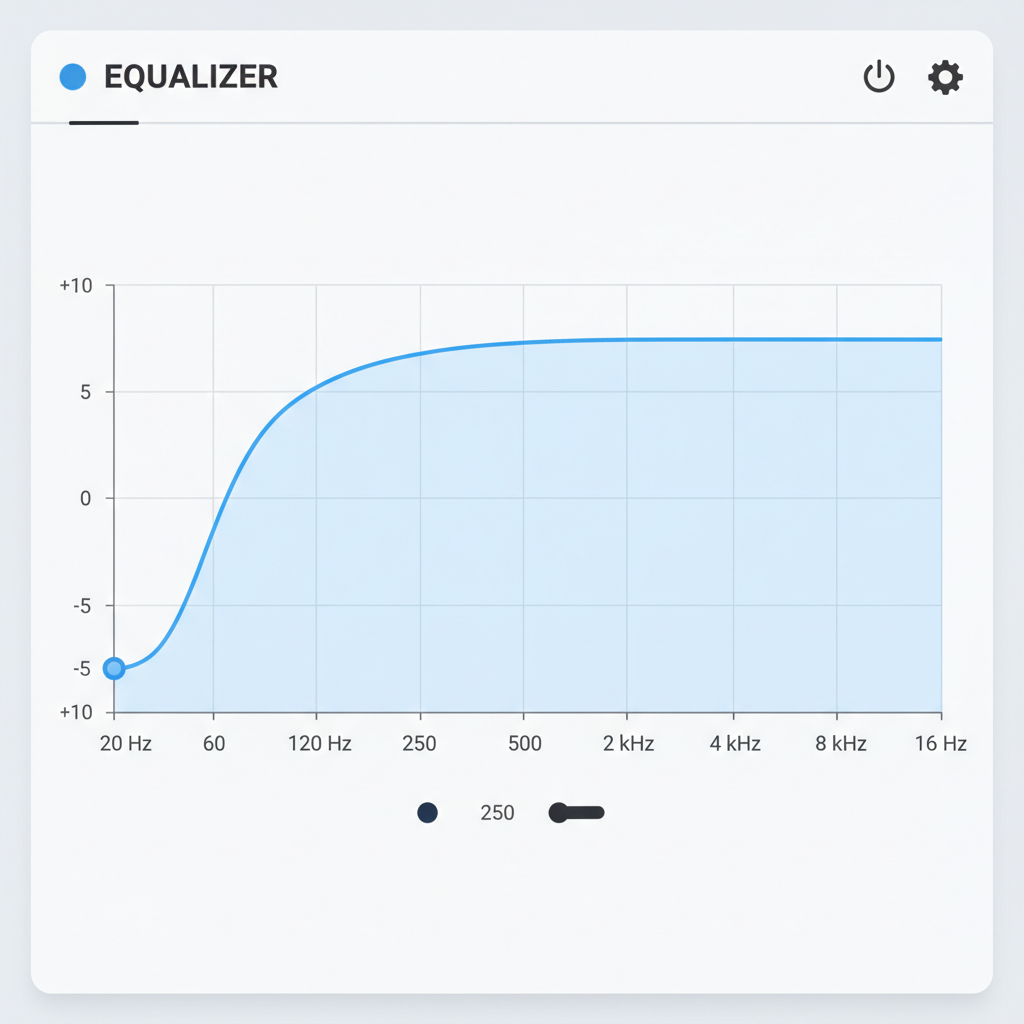
A small sub-bass lift is usually safer than a huge mid-bass hump. If you boost 60–120 Hz too much, vocals can cloud quickly.
- Try: +2 to +4 dB at ~60 Hz, keep 150–250 Hz close to flat.
- If it gets muddy: reduce 200 Hz a touch rather than boosting more bass.
3) Check your dongle or source
If you’re on a newer phone, the USB-C or Lightning adapter matters more than most people expect. A weak or noisy adapter can make budget wired sets sound thin or harsh.
If you hear distortion at moderate volume, back off and consider a better adapter or an easier-to-drive earphone, pushing volume to “force” bass is where comfort and hearing risk can creep in.
Common mistakes when chasing big bass on a budget
- Buying by “bass” tag alone: listings often mean mid-bass loudness, not deeper sub-bass extension.
- Ignoring comfort: a shell that hurts after 20 minutes won’t be your daily driver, even if it thumps.
- Over-EQ: extreme boosts can introduce distortion and listener fatigue, many budget drivers hit their limits quickly.
- Skipping tip options: if the box includes only one generic tip set, factor in the cost of better tips.
- Assuming price equals tuning: some low-cost sets are tuned well, some pricier ones still go for boom-and-sizzle.
If you’re comparing best budget earphones wired high bass options, prioritize repeatable fit and sane tuning over “most bass in the first 10 seconds.”
When it’s worth getting extra help (or changing your plan)
If you experience ringing, discomfort, or muffled hearing after listening, it’s smart to lower volume and consider talking with a qualified hearing professional, especially if symptoms persist. Bass-heavy listening can tempt longer sessions at higher levels.
If you keep buying bassy sets and still feel unsatisfied, you may actually want a different form factor, like on-ear headphones for more physical slam, or an IEM with better isolation rather than a bigger bass boost.
Conclusion: a realistic way to land the right pair
Getting satisfying low end on a budget is very doable, but it’s rarely about chasing the most exaggerated tuning. Aim for a secure seal, controlled sub-bass, and a source chain that doesn’t fight your earphones, that combo usually beats a “mega bass” listing.
If you want a simple next step, pick one earphone that’s easy to drive and well-reviewed for bass control, add a tip set that seals well, then apply a small sub-bass EQ bump and stop there.
Key takeaways
- Seal drives bass more than most specs, fix fit before replacing gear.
- Sub-bass lift tends to sound cleaner than big mid-bass boosts.
- Comfort and isolation are part of “bass performance” in real life.
- Budget changes fast, prioritize traits and return policy over brand hype.
FAQ
What are the best budget earphones wired high bass for hip-hop?
Look for strong sub-bass with controlled mid-bass, plus tips that seal well. If reviews mention “punchy but not muddy,” that’s usually a better sign than “insane bass.”
Do dynamic drivers always have better bass than balanced armature?
Often they feel weightier, but tuning and seal still decide the outcome. A well-tuned hybrid can hit hard, while a poorly tuned dynamic can sound boomy.
Why do my wired earphones lose bass when I walk?
That’s usually a seal breaking as the cable moves or your jaw shifts. Try a different tip size or a style that supports over-ear cable routing.
Is it safe to boost bass with EQ?
Small boosts are usually fine, but large boosts can push drivers into distortion and encourage higher volume. If you notice discomfort or ringing, reduce volume and consider professional advice.
Do I need a DAC dongle for bass?
Not always, many easy-to-drive earphones sound great from a basic adapter. If your current dongle sounds thin, noisy, or distorts early, upgrading can help.
What tips give the most bass?
Foam tips often increase perceived bass by improving seal, while some silicone shapes can also work well. The “best” tip is the one that seals your ear reliably.
How do I avoid muddy bass when shopping online?
Scan for notes like “bleeds into mids,” “veiled vocals,” or “one-note bass,” those are classic warning signs. Favor listings with clear return terms so you can test fit and seal at home.
If you’re trying to narrow down a short list, and you can share your phone model, whether you use a dongle, and the music styles you play most, it’s easier to point you toward the kind of budget wired set that usually delivers big bass without the mud.